PRS vs MCPS vs PPL: Which UK Music Royalty Body Pays You What?
PRS for Music, MCPS and PPL all collect royalties in the UK, but for different rights. Here is who pays what, which ones you need to join, and the registration mistakes that leave money uncollected.
On this page
- The key points
- The big idea: a song and a recording are different things
- What is PRS for Music?
- What is MCPS?
- What is PPL?
- One song, three possible payments
- A quick example: the session musician
- Common myths
- Which ones do you need to join?
- Joining is not the same as registering
- What about the rest of the world?
- Final thoughts
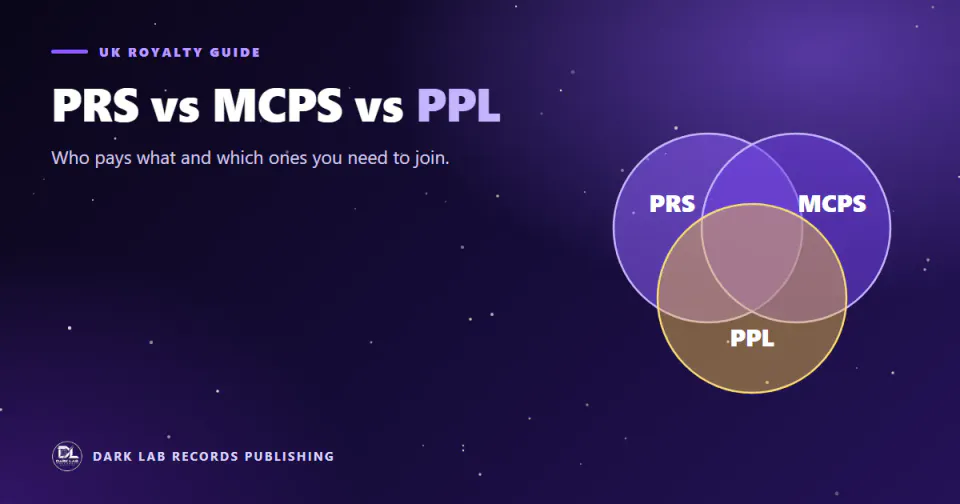
If you make music in the UK, three sets of letters appear in almost every conversation about royalties: PRS, MCPS and PPL. They sound similar, they often appear on the same statements and licences, and they are easy to confuse. They are not the same thing. Each one collects money for a different right, and each one pays different people. This guide explains who pays what, which ones you probably need, and the most common mistakes that leave money uncollected.
The key points
- PRS for Music collects performance royalties for the use of the song.
- MCPS collects mechanical royalties when the song is copied or reproduced.
- PPL collects royalties for the recording and pays performers and recording rights holders.
- Membership is not registration. Joining a society does not register your songs. That is a separate step.
The big idea: a song and a recording are different things
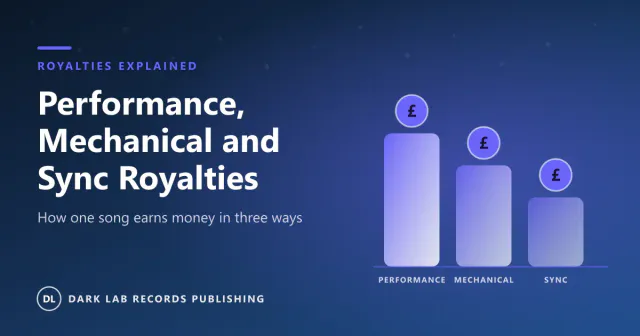
Every released track contains two separate pieces of copyright. The composition (melody and lyrics) belongs to the songwriters. The recording (the audio) belongs to the artist or label that made it. Different organisations look after each. PRS for Music and MCPS look after the composition. PPL looks after the recording. If you want a refresher on this split, start with what a music publisher does and performance, mechanical and sync royalties explained.
What is PRS for Music?
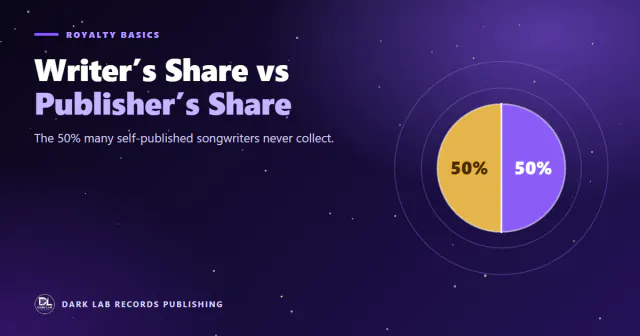
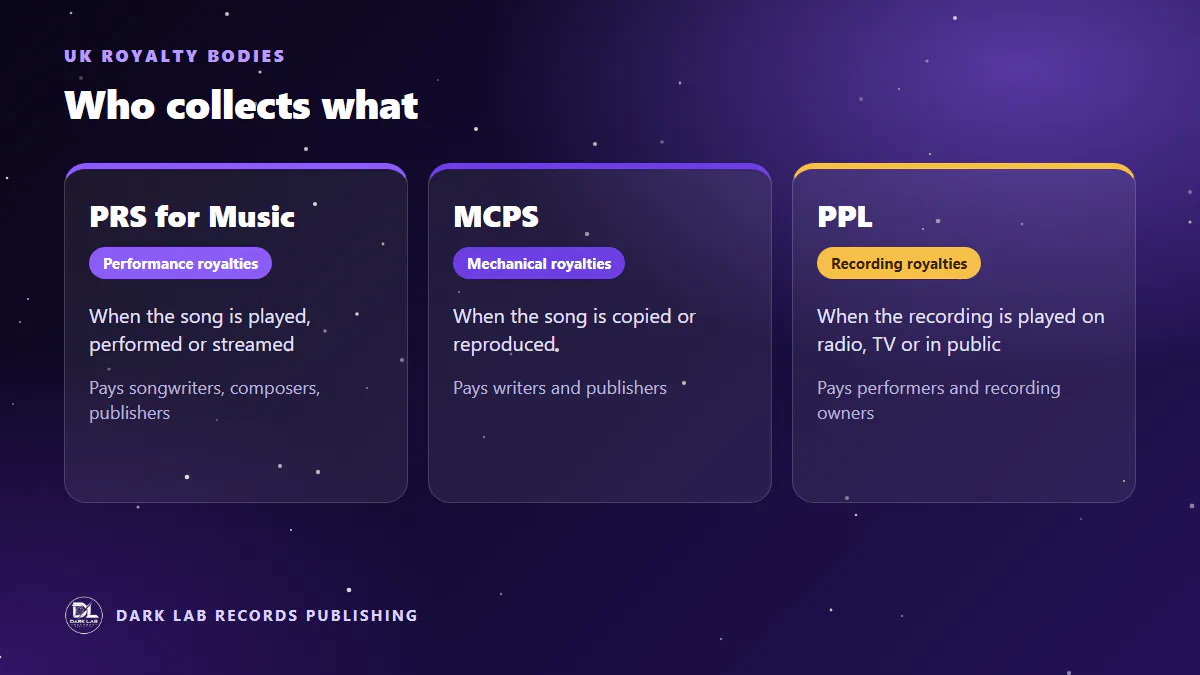
PRS for Music licenses the public performance and broadcast of musical works, and collects royalties on behalf of songwriters, composers, lyricists and music publishers. When your song is played on the radio, performed live, played in a shop or streamed online, PRS is the body that gathers the performance royalty. Members register their works and PRS distributes what it collects. The writer's half and the publisher's half are paid separately (see writer's share vs publisher's share).
What is MCPS?
MCPS stands for the Mechanical Copyright Protection Society. It collects mechanical royalties, which are due when a work is copied or reproduced, such as on a CD, a download or other copies made under a licence. In the UK you join through the PRS for Music website, and the two organisations work closely together, which is why you often see "PRS for Music" and "MCPS" mentioned in the same breath. In practice, a writer who wants to collect everything they are owed usually registers with both.
What is PPL?
PPL collects and distributes royalties for the use of recorded music. It licenses recordings for radio, television, public performance and certain digital services, and pays two groups: the recording rights holders (usually the label or the artist who owns the master) and the performers who played or sang on the recording. A session musician can earn from PPL even if they did not write the song. PPL and PRS for Music run a joint venture for some business licences, but they remain separate organisations with their own rules and payments.
One song, three possible payments
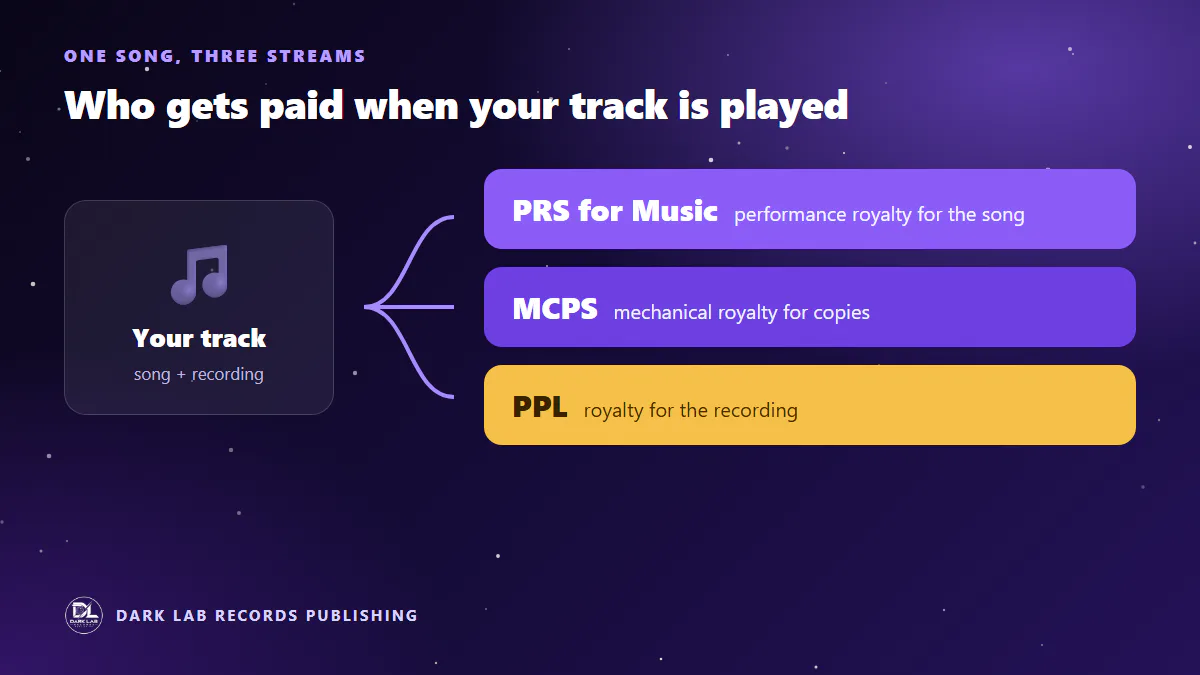
Say you write, perform and release a track yourself, and it is played on UK radio.
- PRS collects the performance royalty for the song and pays the writer and publisher.
- PPL collects the royalty for the recording and pays you as the recording owner and as a performer.
- MCPS comes into play where the song is reproduced, for example on physical or certain digital copies.
The same track on streaming services is paid in a different way: the composition income goes through societies like PRS for Music and MCPS, while the recording income is usually paid through your label or distributor. That is why a UK artist who writes, records and releases music can need all three registrations, plus a distributor.
A quick example: the session musician
A guitarist is hired to play on a track written by someone else. The guitarist has no share in the song, so PRS for Music pays them nothing for it. But they performed on the recording, so PPL can pay them as a performer once the recording is used in ways PPL licenses and they have registered and claimed their performances. The songwriter, in turn, is paid through PRS for Music. Same track, different people, different organisations.
Common myths
- "PRS pays me for everything." PRS covers the song, not the recording. Recording income comes through PPL, your label or your distributor.
- "I joined, so my songs are registered." They are not until each work is registered with writers and splits.
- "My distributor collects my publishing." Distributors mainly collect master income unless you use a publishing add-on.
- "UK societies pay me worldwide." They exchange income with overseas societies, but unregistered songs and mismatched data can still leave money behind.
Which ones do you need to join?
| You are a... | You probably need |
|---|---|
| Songwriter or composer | PRS for Music, and MCPS for mechanical rights |
| Artist who writes and records your own music | PRS for Music, MCPS and PPL |
| Session musician or featured performer | PPL |
| Record label or owner of masters | PPL, and a distributor |
| Self-published writer | PRS for Music as a writer and a publisher registration (see the publisher's share) |
Joining is not the same as registering
This is the mistake we see most often. Becoming a member does not register your songs. You then have to register each work with its title, writers and splits. Works registered with PRS for Music appear in its database and receive a unique work identifier. If a song is missing or listed with wrong splits, money is held back or goes unmatched. Our step-by-step guide to registering a song with a PRO, an IPI number and a split sheet walks through it, and our article on black box royalties explains where unmatched money ends up.
What about the rest of the world?
PRS for Music, MCPS and PPL mainly cover the UK, although they exchange income with societies in other countries. If your music is heard abroad, other societies and platforms may hold income for you that never reaches you unless your songs are registered in those territories. A publishing administrator can register your songs worldwide and collect on your behalf without taking ownership of your copyright. Dark Lab Records Publishing, for example, registers and collects across 200+ territories and lets you keep 100% of your copyright. See how it works or compare options in our guide to publishing administrators.
Final thoughts
Think of it as three doors into the same building: PRS for the song when it is performed, MCPS for the song when it is copied, PPL for the recording. Know which doors apply to you, register every work properly, and check your statements regularly. For fees, eligibility and current payment dates always go to the organisations' own websites, because their rules change.
Frequently asked questions
What is the difference between PRS and PPL?
PRS for Music collects royalties for the use of the song (the composition and lyrics) and pays songwriters, composers and publishers. PPL collects royalties for the use of the recording and pays performers and recording rights holders such as labels. A song's writer and its performers can be different people, which is why both organisations exist.
What does MCPS do?
MCPS collects mechanical royalties, which are paid when music is copied or reproduced, for example on physical products and in certain digital uses. It works alongside PRS for Music, and you apply for MCPS membership through the PRS for Music website.
Do I need to join PRS, MCPS and PPL?
It depends on your role. Songwriters and composers generally join PRS for Music, and usually MCPS too. Performers and recording owners such as artists, session musicians and labels register with PPL. Many artists who write and perform their own music need all three.
Does joining PRS register my songs?
No. Membership and registering works are separate steps. After you join, you must register each work with its title, writers and splits. Works registered with PRS for Music receive a unique work identifier.
Does PPL pay for Spotify streams?
On-demand streaming of the recording is usually paid through your label or distributor rather than through PPL. PPL licenses recorded music for uses such as radio, TV, public performance and certain digital services. Check PPL's own guidance for the services that apply to you.
Will a publishing administrator replace PRS?
No. Societies like PRS for Music remain the organisations that license and collect. A publishing administrator registers your songs with societies in many countries and collects on your behalf, so you do not have to manage each relationship yourself.
Written by
Dark Lab Records Publishing
Practical guidance on music publishing, royalties and rights from the Dark Lab Records Publishing team.